
How To Find A Cisco Switch Ip Address
Search results for fiber, optical network, data center, telecom power and outdoor communications infrastructure topics.
-
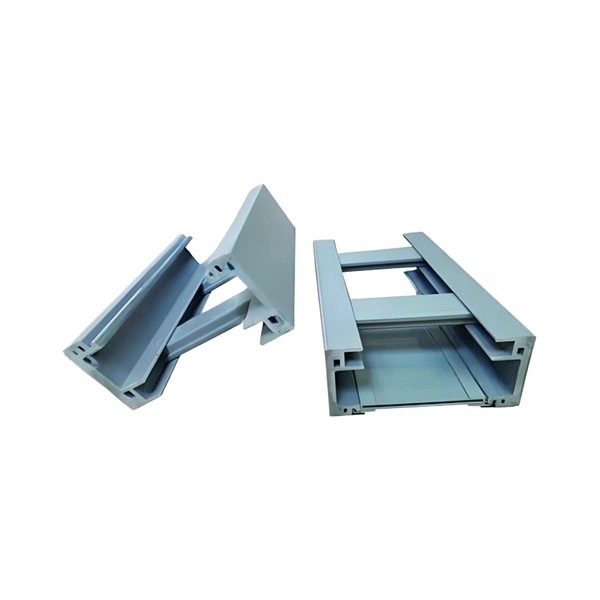
How to view IP addresses in an aggregation switch
Support Use interface route-aggregation to create a Layer 3 aggregate interface or subinterface and enter its view, or enter the view of an existing Layer.
[PDF Version]
-
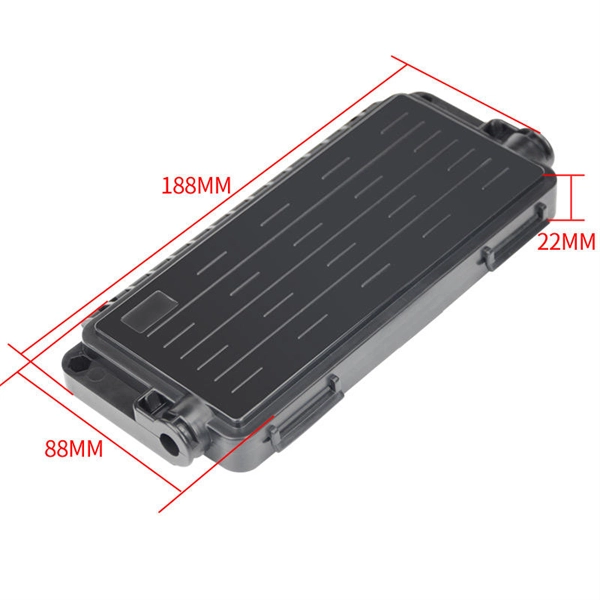
How to check the access IP of a simplified switch
How To Find A Switch IP Address? Quickly learn how to find a switch IP address! This guide provides multiple, easy-to-follow methods for discovering the IP.
[PDF Version]
-
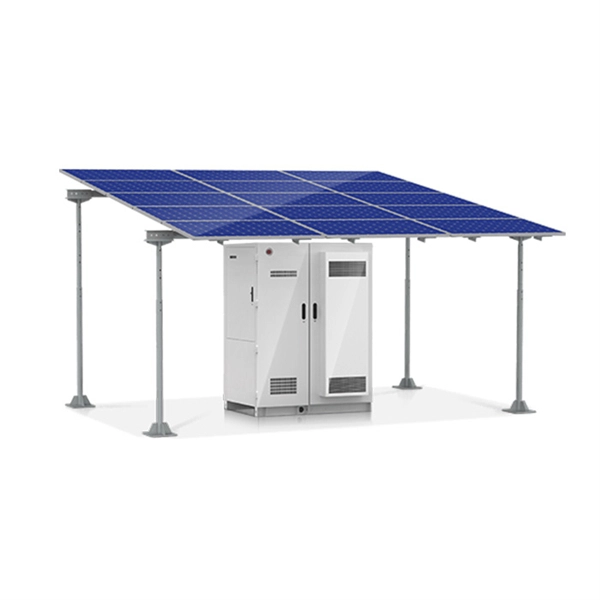
How do different VLANs communicate on an aggregation switch
Understanding VLAN Aggregation Although VLAN aggregation allows different VLANs to use IP addresses on the same subnet, it creates a Layer 3 forwarding pro.
[PDF Version]
-
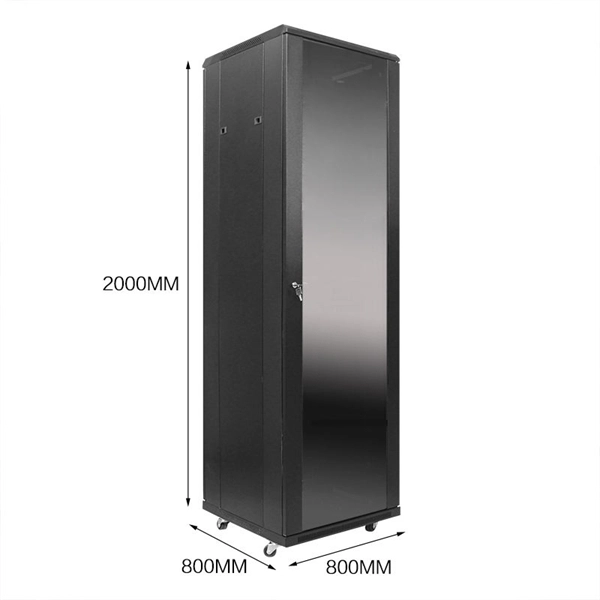
How to use a cable management rack switch
Network Rack Cable Management: 2026 Standards2026 Guide to Network Rack Cable Management. Includes Rack Unit Calculator, PoE++ thermal planning, Grounding.
[PDF Version]
-
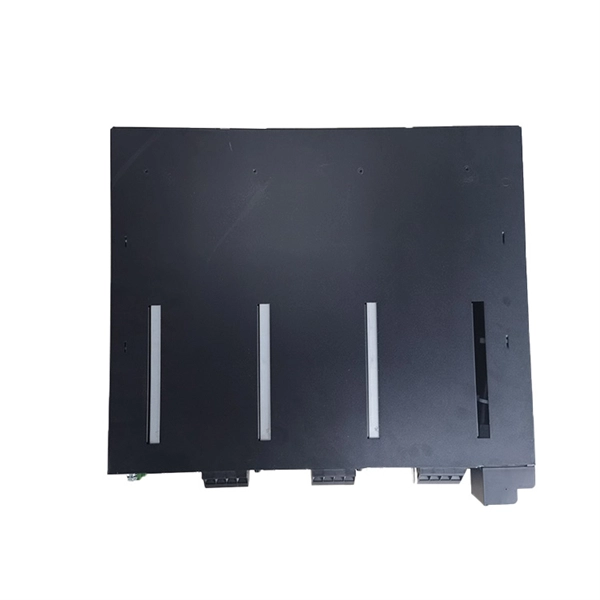
How many optical ports can a switch have at most
Ethernet Switch Port Types Explained 2026: RJ45, This guide provides an engineering-level overview of switch port technologies, real-world deployment mappi.
[PDF Version]
-
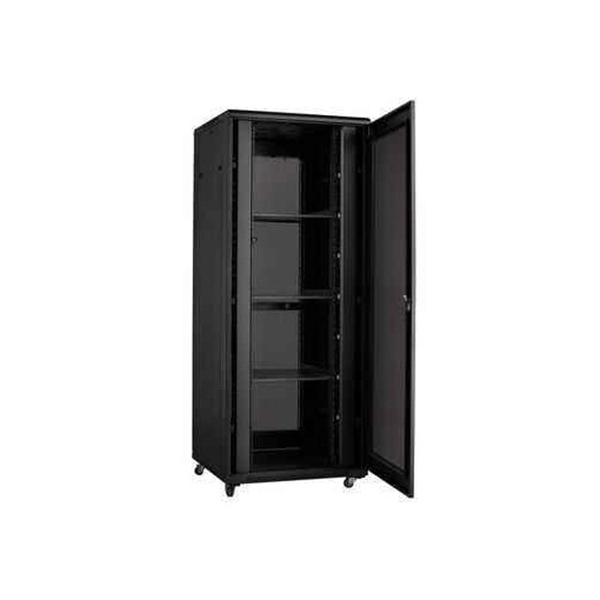
How to connect Cisco fiber optic cable to a router
Connect the fiber optic cable from your ISP to the ONT (Optical Network Terminal) provided. Power on all devices and configure your router for the internet connection. This specialized equipment serves as the. In this guide, we'll walk you through how to connect a fiber optic cable to a router safely and efficiently.
-
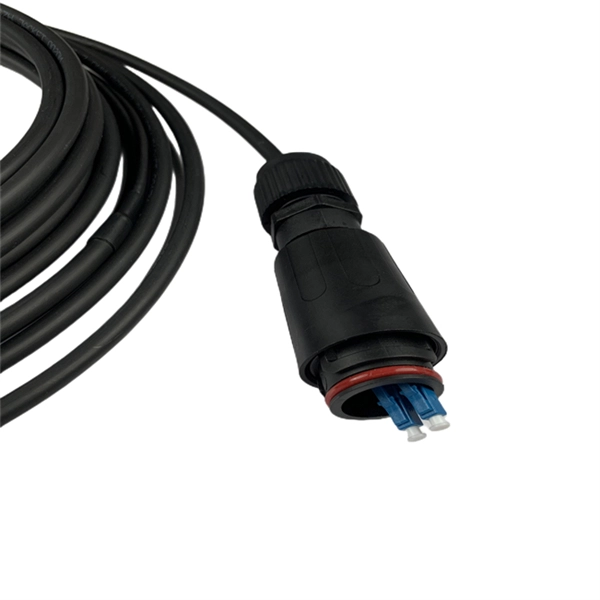
Internet IP Access via Layer 3 Switch
In this lesson, we will learn to configure a multilayer switch (also called Layer 3 switch) to perform inter-VLAN routing, which was previously done using an actual router. Multilayer switches can forward frames based on MAC address information and can also forward IP packets based. In this lesson, we examine the network devices that operate at Layer 3 of the OSI model. Layer 3 switches can work at Layer 2 and Layer 3 and be deployed at the access layer or aggregation layer as user gateways. This example uses router configurations of AR3600 V200R007C00SPCc00.
-
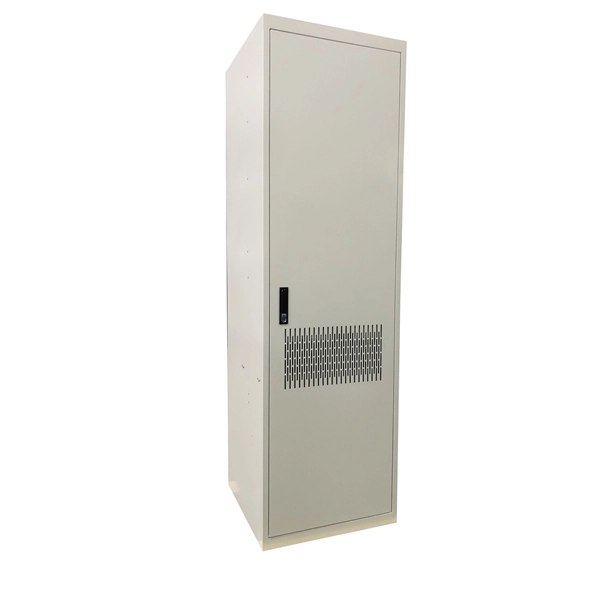
How to connect dual fiber optic modules to the core switch
Application Guide: Connecting Fiber-ready Network Most modern fiber-enabled network switches require an SFP transceiver module featuring a duplex (two stra.
[PDF Version]
-
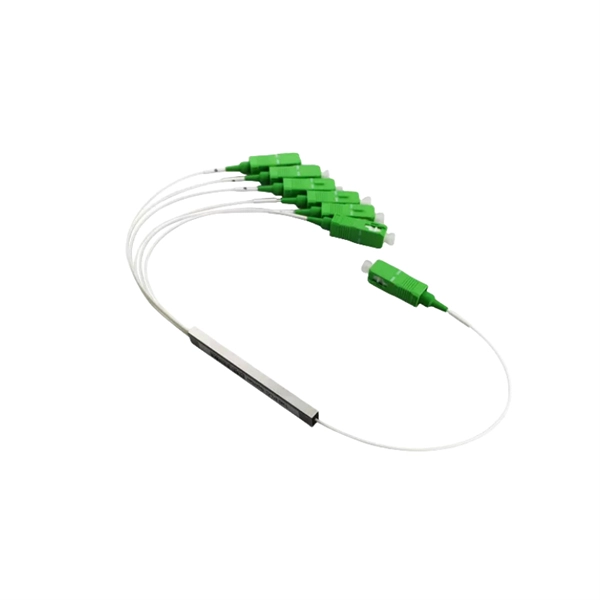
How to partition optical ports on a core switch
Using the CLI command: split [<COUNT>] [<SPEED>] The <COUNT> parameter specifies the number of child interfaces to activate upon splitting the port. Pretty simple, you just plug the optical transceiver into the switch port for that transceiver type. ) BTW, as you mention your core device is a. Quad-SFP (QSFP+ and QSFP28) ports allow for four channels of lower-bandwidth communication. 05 introduced this feature for select switches and modules. Most QSFP28 ports can be used with either 40G or 100G optics, DAC or AOC cables. without an IP on such a port, it's, more-or-less, useless. (Again, for hosts on the VLAN, they will need a gateway IP to get on/off that. The Extreme Networks VOSS FabricEngine switches allow for the port partitioning (channelising) of a QSFP28 or QSFP+ port the same as is the case on an Extreme Networks XOS (SwitchEngine) switch. RJ45 ports serve access-layer copper connections; SFP/SFP+ ports enable flexible 1G/10G uplinks; SFP28 delivers 25G for modern data centers; QSFP+ and QSFP28 support high-density 40G/100G spine–leaf.
[PDF Version]
More Optical Connection References
- Is engineering fiber optic cable mostly single-mode or multi-mode
- What are the potential risks of fiber optic communication
- D58 Explosion-proof Lighting Distribution Box
- What equipment is needed for fusion splicing fiber optic cables
- Distribution Box Circuit Principle and Price
- Maldives Outdoor Temporary Power Distribution Box Price
- Main Distribution Box Attributes
- How to maintain fiber optic patch cords
- Prefabrication Method for Distribution Boxes
- Price of cable tray clips
- Cable Network and Optical Cable
- Wiring Method for Dual-Core 10 Gigabit Multimode Optical Cable
- Applications of 4-hole fiber optic panels
- Photovoltaic combiner box a best-selling model used for relay protection
- Optical Cable Management Stand