
Customization Ethernet Network Temperature And Humidity Data Logger
Search results for fiber, optical network, data center, telecom power and outdoor communications infrastructure topics.
-
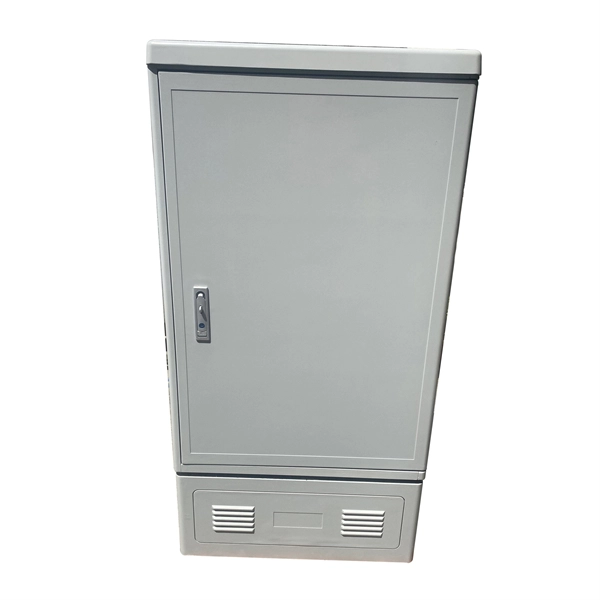
Industrial Ethernet ST Adapter Low Temperature Resistance Customization Process
Quick Guide for WE-STST designsThe WE-STST provides a discrete solution for Ethernet designs, which can save over 50 % of PCB space, whilst still providing.
[PDF Version]
-
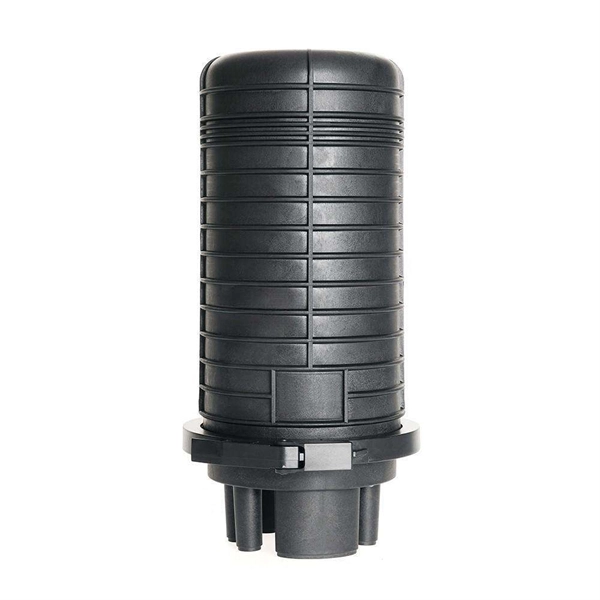
Network Rack Temperature Control Display
Smart Rack Temperature Monitoring The Smart / Server rack monitoring is designed to monitor and control the ambient temperature of an equipment rack by aut.
[PDF Version]
-
Standard values of temperature and humidity in the hot aisle of the computer room
Recommended environment: 20–24 °C and 45%–55% RH; in servers, inlet 18–27 °C according to ASHRAE. Monitoring and alerts: sensors in aisles/racks, software tools and alerts. These guidelines, published in the Thermal Guidelines for Data Processing Environments, provide the temperature and humidity parameters that IT manufacturers use to specify equipment operating conditions and that data center operators rely on to maintain equipment reliability. The settings below apply to A1-A4 class data centers and server rooms. What Are ASHRAE Recommended Temperature & Humidity Ranges? Temperature ASHRAE. Typical requirements: minimum temperature is 15°C, maxi-mum temperature is 32°C, minimum RH is 20%, maximum RH is 80%, maximum dew point is 22°C, rate of change of temperature is less than 5°C/h, rate of change of humidity is less than 5% rh per hour, and no condensation. Industry guidelines from ASHRAE provide a solid starting point, but translating those specs into a working cooling design takes careful calculation and planning.
[PDF Version]
-
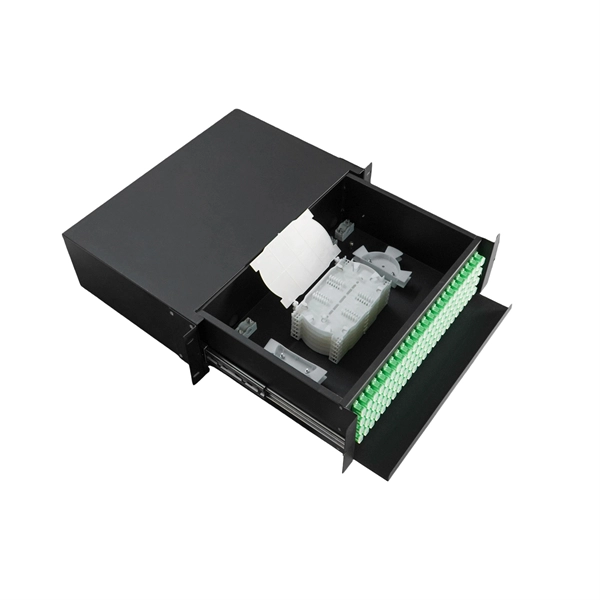
Industrial Ring Network Fiber Optic Switches
Industrial Switches: Wide temp, IP40+, dual redundant power, industrial protocol support (PROFINET, Modbus TCP). Use with our network switches and SFP modules. Redundant Ring: ERPS (<50ms recovery) or RSTP (<2s). Fiber ring topology ensures network availability. The fiber optic ring redundancy design for industrial Ethernet switches is precisely engineered to address this pain point—achieving millisecond-level fault self-healing through the synergy of physical ring architecture and intelligent protocols, thereby constructing the "self-healing heart" of. This guide walks you through everything you need to know about fiber ring networks—from basic concepts to topology diagrams and essential protocols. What Is a Fiber Optic Ring Network? A fiber optic ring network is a physical or logical network topology where devices (usually switches) are. Cyber-Ring self-healing Ethernet technology is a proprietary developed by ICP DAS that can be used to help establish industrial-grade Ethernet with high reliability and fault-tolerance capabilities, and can be used to implement a ring topology network of either copper or fiber optic cable. Industrial environments need specialized networks: wide temperature range (-40°C to 85°C), vibration resistance, EMI immunity. The TC3340 Redundant Gigabit Ethernet Switch Substation is a rugged, cost-effective networking solution for both industrial and commercial fiber networks. Our comprehensive portfolio includes unmanaged switches, managed switches, PoE switches.
-
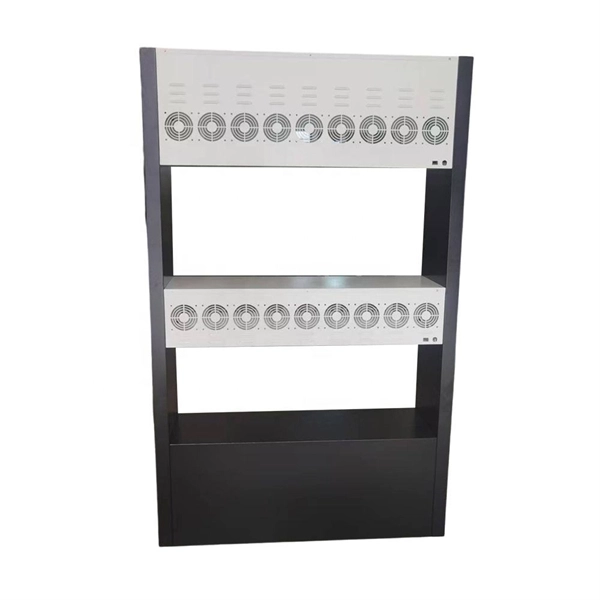
How to connect an optical fiber splitter to the network
Do You Know How to Place and Use the Optical Splitter? In the realm of optical communication networks, the optical splitter serves a vital role in dividing.
[PDF Version]
-
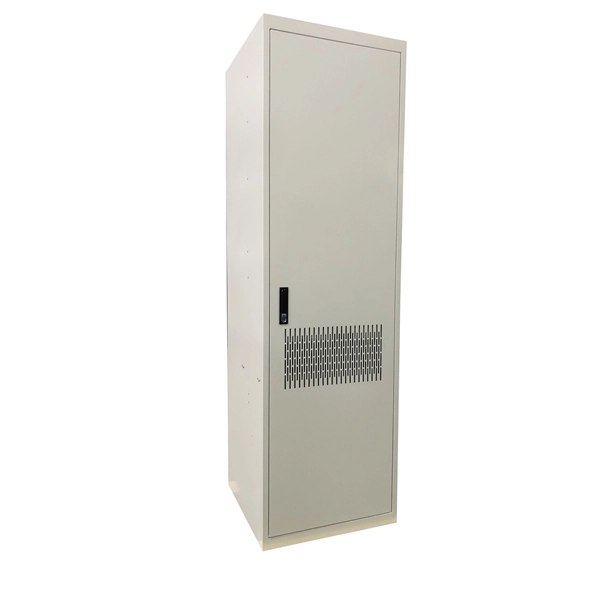
Should network cables exit from the bottom or top of the network cabinet
At the cabinet bottom exit points, transition pieces should be installed to prevent direct friction between cables and duct edges, which could damage the insulation layer. Place the equipment appropriately to avoid compression, excessive height, or close proximity to. Typically, from top to bottom, the layers are fiber layer, data network cable layer, and power cable layer, with a minimum spacing of 30 cm between layers. Rounded elbows should be used at tray corners to avoid. Now, it's time to decide on whether wires will enter the server furniture from the top or bottom. Depending on this decision, further laying of smaller wire groups will change. One. Overhead cable management requires the optional top-exit bracket (Feature Code 1401) for managing your Fibre and Ethernet cables. This feature is an alternative to the standard bottom-exit. The installation planning, cable length, and the storage-system location in relation to the cable entry point. Network cabinet cabling describes the structured connection and arrangement of all IT components in a server rack.
[PDF Version]
-
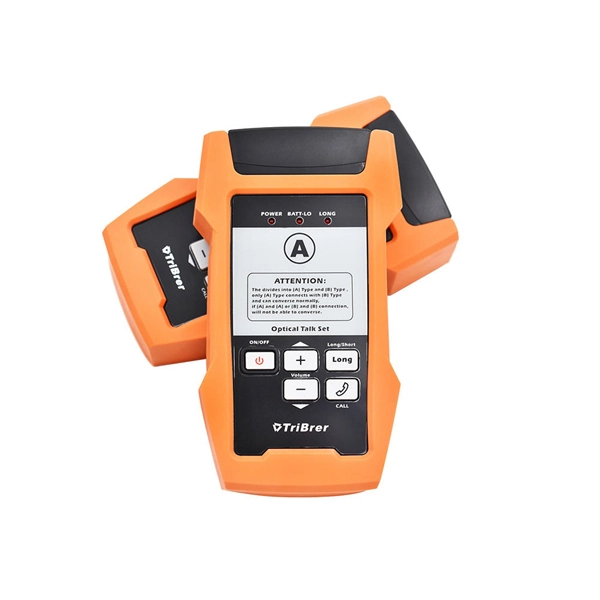
How to install a cable network
How to Install Ethernet Cable: Step-by-Step Guide (2026)Learn how to install ethernet cable with our easy-to-follow guide. Get step-by-step DIY instruction.
[PDF Version]
-
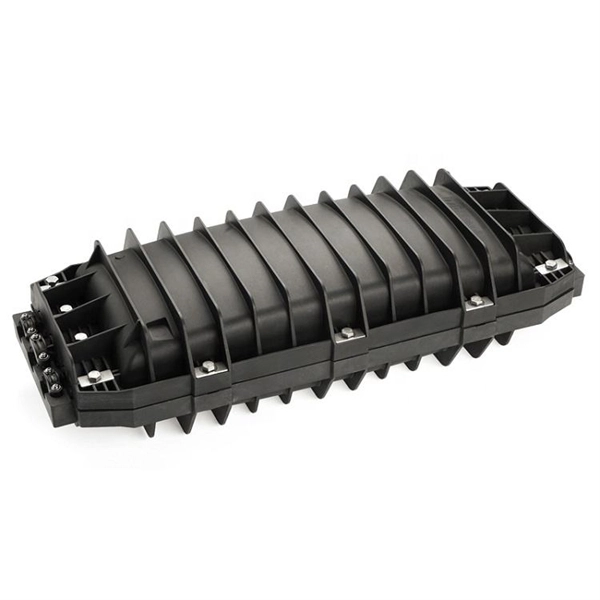
Principle of a 24-Port Network Patch Panel
A 24-port SC simplex patch panel is a fiber optic termination and distribution device used to organize and connect 24 individual fiber lines in a network. It is commonly installed in racks, cabinets, and telecom rooms to make fiber management cleaner, safer, and easier to maintain. This guide explains how to use a 24-port patch panel to manage copper and fiber cabling in a small LAN, how to choose between different patch panel types, how to design your cabinet layout, and why a patch panel is still irreplaceable in 2026. What is a Patch Panel and Why it Matters in 2026? A. Choosing a 24-port patch panel is crucial for efficiency. Learn how it enhances network capabilities. They come in a range of sizes, and are typically mountable, whether that's on a wall, or on a rack to make for easier. A patch panel is one of those components that is easy to overlook when planning a network — it does not switch, route, or process data, and to the uninitiated it can look like an expensive way to add an extra set of connectors between the cable and the switch.
[PDF Version]
-
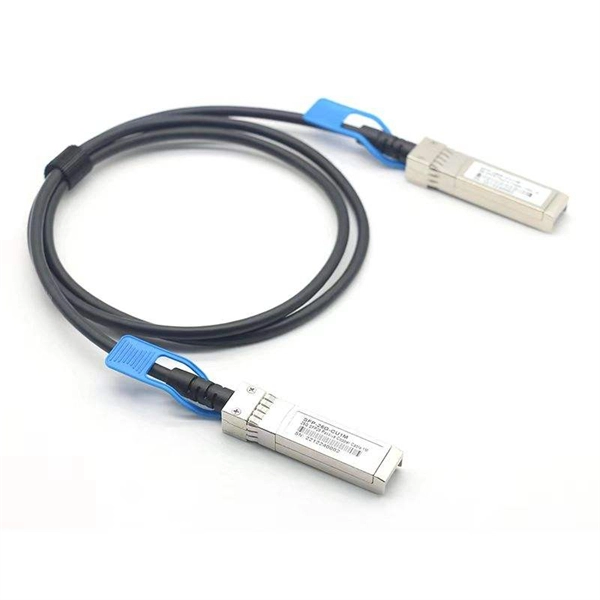
UAE Pipeline Temperature Measurement Optical Cable Size Manufacturer
Fiber Optic Sensors & Transducers in Gulf CountriesOur new fiber optic temperature sensors offer unparalleled accuracy in the demanding industrial environm.
[PDF Version]
More Optical Connection References
- The amount of light entering the fiber optic temperature sensor remains unchanged
- Detailed Price List for Steel Cable Tray Installation
- Fiber Optic Cable 9612
- Specifications of Iranian Cable Trays
- Commonly used relay protection includes
- Standards for Undergrounding Communication Optical Cables
- Fiber Optic Cable Junction Box Wall Mounted
- South African fluorescent fiber optic temperature sensor
- What does an optical fiber cable contain
- Dustproof and waterproof standards for distribution boxes
- Requirements for installing cable trays on high-speed highways
- Manufacturers of fiber optic cable sheathing granules
- Cable Tray Accessories Size Table
- What is the control busbar
- Methods for treating rust on cable tray supports
- How much can the entire optical cable be bent