
Core Layer Fortiswitch 7 6 0 Fortinet Document Library
Search results for fiber, optical network, data center, telecom power and outdoor communications infrastructure topics.
-
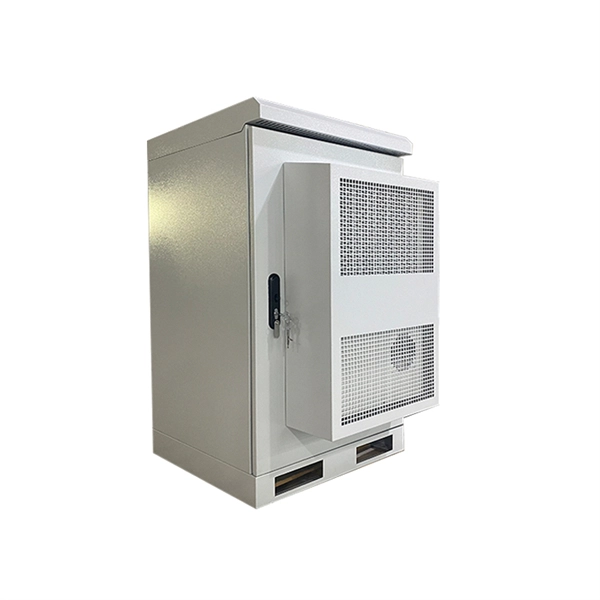
Huawei Core Switch Layer 3 Machine
The S3700 series enterprise switches (S3700s) are next-generation energy-saving Layer 3 switches. The S3700 utilizes cutting-edge hardware and Huawei Versatile Routing Platform (VRP) software to provide high-performance access and aggregation to an enterprise campus network. This document describes the configuration of Ethernet services, including configuring MAC address table, link aggregation, M-LAG, VLAN, QinQ, VLAN mapping, GVRP, STP/RSTP, MSTP, VBST, ERPS (G. 8032), LBDT, and Layer 2 protocol transparent transmission. Switches cannot replace routers in all scenarios because routers provide rich. Over the past year, enterprise network deployments have increasingly favored integrated Layer 3 switching over traditional router–switch separation — especially in campus, SME, and edge data center environments. Huawei's S57xx, S67xx, and CloudEngine series now dominate mid-tier procurement lists. Huawei core switch offers robust real-world performance in enterprise upgrades, delivering enhanced Layer 3 routing, superior PoE++, modular scalability, and stable integration with multi-vendor infrastructures.
[PDF Version]
-
Configuration of Layer 3 Switches in IUV Core Data Center
Configuring Layer 3 Interfaces All Ethernet ports are switched interfaces by default. You can change this default behavior with the CLI setup script or thr.
[PDF Version]
-
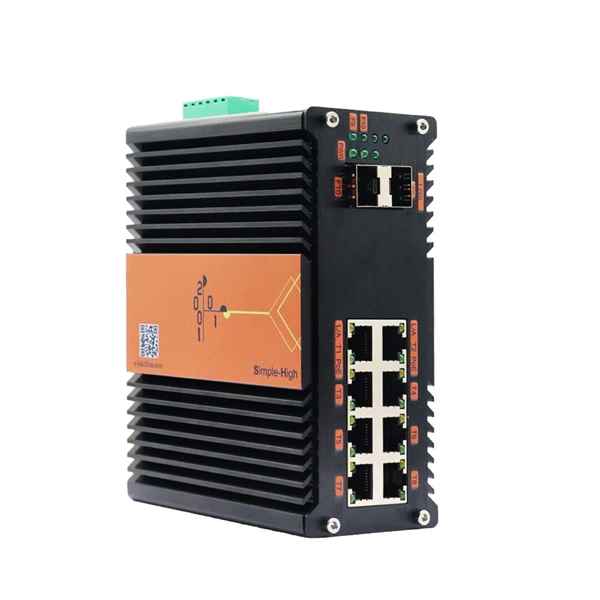
Enterprise Core Layer Switch Selection
How to Choose the Right Core Switch for Enterprise Network?Learn how core switches for enterprise networks and LAN campus networks function in the hierarch.
[PDF Version]
-
How to connect two layers of cable trays from a single layer
Splice plates are the most widely used method for connecting cable tray sections in straight runs. We fix them with nuts and bolts through the holes in the plate and the tray sides. The main cable tray connection methods include splice plates, bolted connections, quick connect systems, fish plates, clamps, and welding. #CableManagementDoneRight #CableTray #Electr Securing the Flow ⚡️ | Connecting Two Cable Trays Like a Pro 👷♂️🔧 Watch. The T-branch bracket TKU is pushed inside the cable tray and attached with the included screw set. KRA/KRB cable. But before you lay the first tray or clamp down a single cable, you need a solid plan.
-
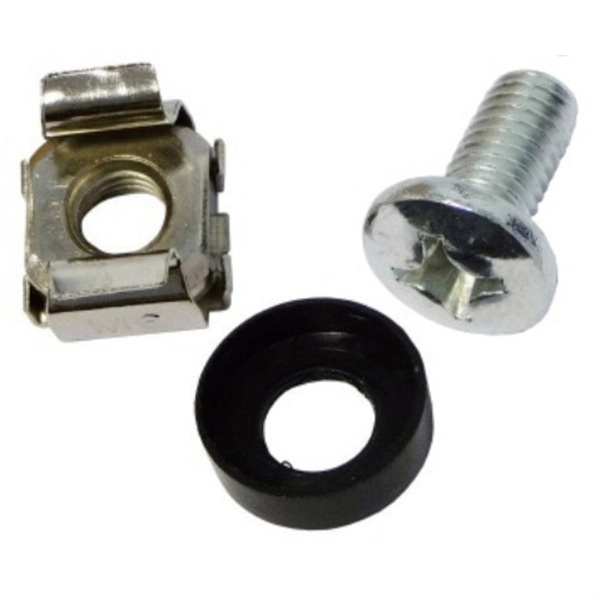
Bridge connection of two core switches
To establish a VSX relationship between the core switches, create a link aggregation (LAG) interface for assignment as the VSX data plane's inter-switch link (ISL). The LAG can be defined at the Central UI group level when using the same ports for the VSX ISL on both core. In this lesson, we examine the network devices that operate at Layer 2 of the OSI model. Hub, Bridge, and Switch. I need to connect two Cisco C4500X, using a 1000BaseLH transceiver. Each core switch manage its own VLANs. This function is called network bridging. Bridging is distinct from routing. Operating at the data link layer (L2) of the OSI model, a network bridge transparently connects two or more network segments, allowing them to function as a single network.
[PDF Version]
-
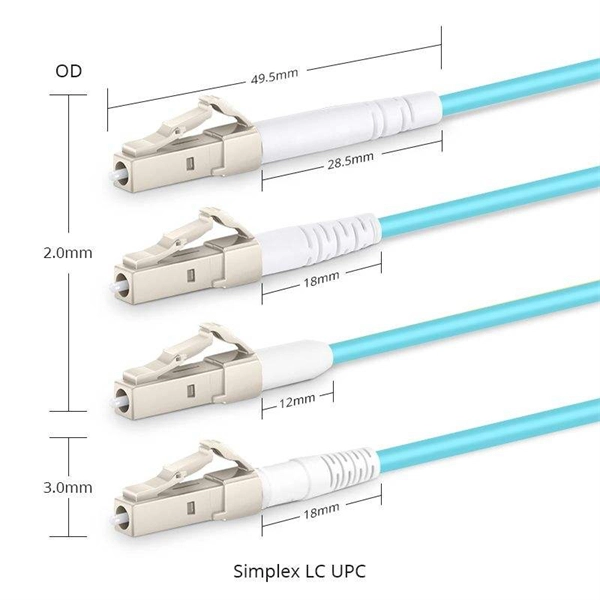
Cost-based optical core router SFP
Fiber SFPs Explained: Types, Speeds, and Buying GuideLearn what Fiber SFPs are, key types, speeds, fiber options, compatibility tips, and how to choose SFP.
[PDF Version]
-
How to prevent ARP attacks on core switches
Dynamic ARP Inspection (DAI) is the security mechanism that prevents malicious ARP attacks by rejecting unknown ARP Packets. ARP attacks can be done as a Man-in-the-Middle Attack by an. This chapter introduces switch features to detect and prevent such attacks. Configure this function on gateways (recommended). Configure this function on access. In modern enterprise networks, Layer 2 security features play a critical role in mitigating threats like ARP cache poisoning, rogue DHCP servers, and IP address spoofing. An attacker can exploit ARP vulnerabilities to attack network devices in the following ways: · Sends a large number of unresolvable IP packets to have the receiving device busy with resolving IP. This document describes how to secure your Cisco IOS ® system devices and increase the overall security of your network. There are no specific requirements for this document.
[PDF Version]
-
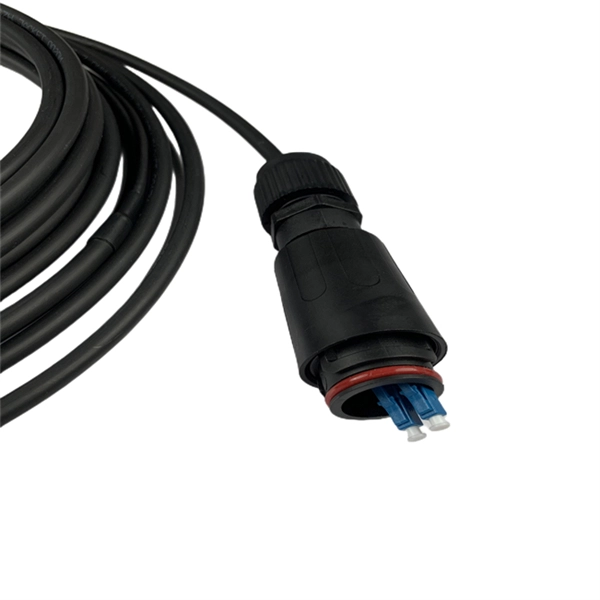
Internet IP Access via Layer 3 Switch
In this lesson, we will learn to configure a multilayer switch (also called Layer 3 switch) to perform inter-VLAN routing, which was previously done using an actual router. Multilayer switches can forward frames based on MAC address information and can also forward IP packets based. In this lesson, we examine the network devices that operate at Layer 3 of the OSI model. Layer 3 switches can work at Layer 2 and Layer 3 and be deployed at the access layer or aggregation layer as user gateways. This example uses router configurations of AR3600 V200R007C00SPCc00.
-
How to connect dual fiber optic modules to the core switch
Application Guide: Connecting Fiber-ready Network Most modern fiber-enabled network switches require an SFP transceiver module featuring a duplex (two stra.
[PDF Version]
More Optical Connection References
- Protection Level Standards for Intelligent Distribution Boxes
- Bahrain Factory Cable Tray Installation Company
- 10 Gigabit Single-Mode Single-Core LC Optical Module
- Cross-section of the secondary busbar conductor at the top of the screen
- National Standard for Drilling Holes in Cable Trays
- Specifications for Combined Cable Trays in Tajikistan
- Afghanistan Outdoor Communication Fiber Optic Cable
- What are some common tools for fiber optic cable installation
- What is the quota for optical fiber splicing
- How to connect fiber optic cables to the wall panel for home access
- What model of electrical distribution box is used in the shopping mall
- Router Broadband Fiber Optic Light Turns Red
- How to create a skylight in a 24-core fiber optic cable