
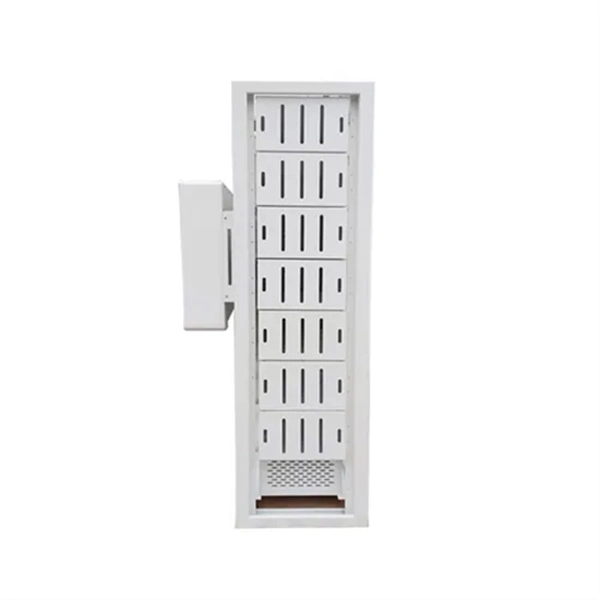
The Ultimate Guide to Setting Up a Home Network Wiring Cabinet
Following these step-by-step instructions will help you set up a well-organized and efficient home network wiring cabinet, ensuring a reliable and high-performing network for your household.
How to Plan Cabling for In-Wall Network Cabinets: The Complete
Planning cabling for an in wall network cabinet can feel overwhelming. However, with the right approach, you can create a system that''s organized, efficient, and ready for future growth. In this guide, we''ll
Wall Mount Network Cabinet Cable Management Best Practices:
Proper planning prevents poor performance when organizing cables in your wall mount network cabinet. Start by measuring your cabinet dimensions carefully, whether you''re working with a 6U wall mount
Cabinet Wiring:Everything you must know
With the vigorous development of the internet industry and the upgrades of network products like servers and switches, the cabinets used need to accommodate
Tips for Organizing My Network Cabinet
Looking for tips to organize a network cabinet neatly and efficiently while managing various devices.
Network cabinet placement and wiring tips
According to the size of the computer room, list all the equipment to be installed in the cabinet and their complete measurement data: length, width, height, weight.
Network Rack for Small Office (Build Guide)
If you run a home office or manage IT for a small office or business, this summary shows the workflow and gear that delivered a
How to Rack and Organise Network Equipment Properly | Avoid
Learn how to rack and organise network equipment properly. Avoid common mistakes with cabinets, racks, PDUs, cable management and patch panels for a reliable network setup.
Network Cabinet Essentials: Organizing Your Network
Discover the pivotal role of a Network Cabinet in managing IT infrastructure. Learn about types, technical features, and best practices.
Essential Cable Management for Network Cabinets:
Professional guide to cable management racks for network cabinets. Learn types, structures, and OEM options from Geteknet for data center and
Network Cable Management Guide
The key is to stay organized out of the gate. A little time invested at the start or when installing new hardware, prior proper planning, and organization can save you a
How To Organizing Networking Equipment In Data Network Cabinets
As you add or remove networking equipment from your data network cabinet, update labels and documentation accordingly. Keeping accurate records aids in efficient management and
How to Organize My Network Cabinet Like a Pro?
I''m in the process of setting up a network cabinet that currently holds a 24-port switch and various accessories, including an LTE router. Right now, everything is just piled together, which is a
Network Cabinet: Complete Guide for the Best Choice
Choosing the Network Cabinet is crucial to ensure the organization, safety, and efficiency of IT equipment. A well-selected cabinet not only optimizes space and facilitates cable management
Network cabinet placement and wiring tips
Network cabinet placement and wiring tips Many network devices are stored in the cabinets. In order to meet the normal operation of these devices in the cabinets, when the computer
The Ultimate Guide to Network Cabinets: Everything
Figure no 1 Network enclosure 1) What is a network cabinet? “A network cabinet is a metal shelter used for apprehending networking devices like
Network cabinet design considerations
Dimension issues The trend towards denser rack-mount servers has affected network enclosure design, resulting in a need for deeper cabinets. For instance, standard cabinets are at least 36 inches (900
How To Organize Cables In Rack Cabinet?
In our daily work, due to personnel changes and network adjustments,our cabinets will become very messy over time. The placement of equipment
This reference is intended for preliminary fiber and communications infrastructure research. Optical interface, fiber type, port or core capacity, electrical input and output, enclosure protection, cooling, installation limits and applicable standards must be verified for the specific project.