
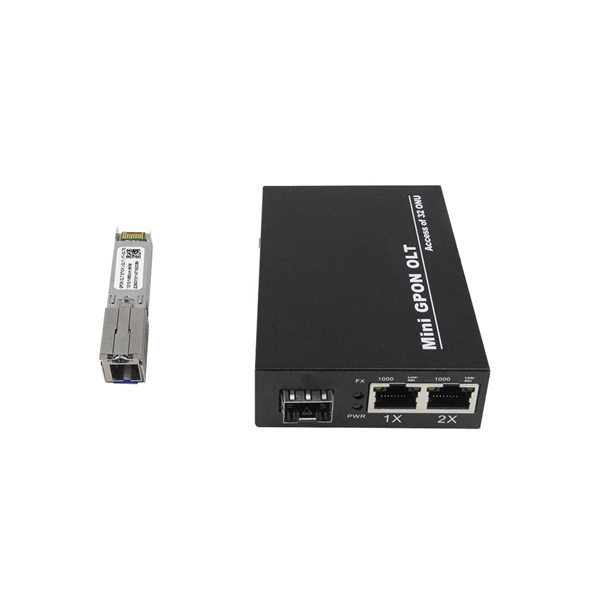
How To Choose Optical Modules For Servers
Those who are familiar with servers know this, and those who are not will learn from this article: unlike switches, servers are not equipped with ports for plugging in optical modules directly.
Connecting a Cable to an Optical Port
Connect the new optical cable to the same port as the old one. Connect the optical cables to the optical module securely.
Connecting a Cable to an Optical Port
Ensure that optical cables are routed straightly and bound neatly, and that cable ties are installed at even spacing and fastened properly. Connect the cables to the optical ports. When you use an
How to Install an SFP Module: Step-by-Step Guide
Learn how to install an SFP module correctly with step-by-step instructions, safety tips, hot-swap rules, and troubleshooting for reliable network links.
Cisco Optical Transceiver Handling Guide
The QSFP-DD, QSFP, and SFP transceiver modules are hot-swappable and connect the electrical circuitry of the system with an optical external network. The following figure shows the QSFP-DD
How to Install and Remove Optical Modules Safely
Install optical modules safely with ESD protection, proper handling, and dust control. Follow these steps to avoid damage and ensure network reliability.
Step-by-Step Guide for Installing and Removing SFP Transceivers
In this step-by-step guide, we will walk you through the process of installing and removing SFP transceiver modules to ensure proper handling and avoid damage to the module or network
The Ultimate Guide to SFP Modules (2026): Types, Speeds
Read the definitive 2026 guide on SFP modules. We explain Single Mode vs Multimode, DDM diagnostics, and how to choose the right transceiver for Cisco, Juniper, and more.
Unveil the Secrets of SFP Module Installation and Removal
Master the art of effortless SFP installation and removal with our comprehensive guide. Explore the general rules, essential preparation, and step-by-step procedures to ensure flawless
The Most Comprehensive Guide Of Optical Modules
Explore the ultimate guide to optical modules. Learn types, functions, performance metrics & how to choose the right module for your fiber network.
Full text of "NEW"
Full text of "NEW" See other formats Word . the, > < br to of and a : " in you that i it he is was for - with ) on ( ? his as this ; be at but not have had from will are they -- ! all by if him one your or up her there
128k-tokens/o200k_base.txt at main · willhama/128k
Visualization of different context lengths in text - willhama/128k-tokens
WORLD WIDE WEB JOURNAL Home
By clicking download, will open to start the export process. The process may take but once it finishes a file will be downloadable from your browser. You may continue to browse the DL while the export
CVPR 2026 Papers with Code & Data – Paper Digest
The IEEE Conference on Computer Vision and Pattern Recognition (CVPR) is one of the top computer vision conferences in the world. The 2026 event will be held in Denver, starting June
Installing an Optical Module
Install dust plugs on idle optical ports. If an optical module cannot be completely inserted into an optical port, turn the optical module over and try again. Before connecting the optical fiber to the optical
Installation and Maintenance Guide for Gigabit Optical Modules and 10
As an essential component of network communication, optical modules have been widely used in various scenarios such as data centers, enterprise LANs, and WANs. An optical module is
What optical modules are usually equipped on network servers?
SFP+ is a high-speed optical module used for 10Gbps network connections. It is an upgraded version of the SFP module, providing faster data transmission rates and longer transmission distances. SFP+
Everything You Need to Know About Optical Modules
Optical modules are electronic devices used in communication systems to transmit optical signals. These modules convert electrical signals into optical signals, which can travel long distances
Related Video Reference
This video was associated with the source search result. Verify technical details against current product documentation and project requirements.
This reference is intended for preliminary fiber and communications infrastructure research. Optical interface, fiber type, port or core capacity, electrical input and output, enclosure protection, cooling, installation limits and applicable standards must be verified for the specific project.