
How do you connect a switch to fibre?
This guide will walk you through the process of connecting a switch to a fiber optic network, covering the necessary components, steps, and considerations to ensure a smooth setup.
How to Use Fiber Ports on a Network Switch
In this video, I''ll break down 3 easy and practical ways to use fiber ports for high-speed connections: Not sure how to use those SFP, SFP+, or QSFP fiber ports on your network...
How to configure fiber optics on a Cisco switch
If you''re looking to learn how to configure fiber optics on a Cisco switch, it''s important to first configure the switch settings so it''s ready for fiber optics. Here''s a step-by-step guide to
Application Guide: Connecting Fiber-ready Network
Application Guide: Connecting Fiber-ready Network Switches Fiber optic cabling is increasingly used to connect network switches and other datacom equipment,
Fiber Optic Switch Guide: Definition, Connection Methods, Cabling
A practical B2B guide explaining what a fiber optic switch is, how to connect fiber optic cable to Ethernet switches, how to connect two switches with fiber, how to disconnect fiber safely,
How Do You Connect a Fiber Optic Switch? | Networking – Sivo
Connecting a fiber optic switch involves several steps, ensuring compatibility between the switch''s ports and the fiber optic cable. The process requires understanding the type of fiber optic
Connecting Network Switches via Fiber
When connecting terminated duplex fiber optic cable between two network switches, ensure the connections are reversed between the SFP transceiver ports (connection A to B and B to A). SFP
A Guide to SFP Ports on Gigabit Switches
Using an SFP port is simple once you understand the basics. Here''s a step-by-step guide: Ensure the module matches your cable type (fiber or copper) and the required transmission
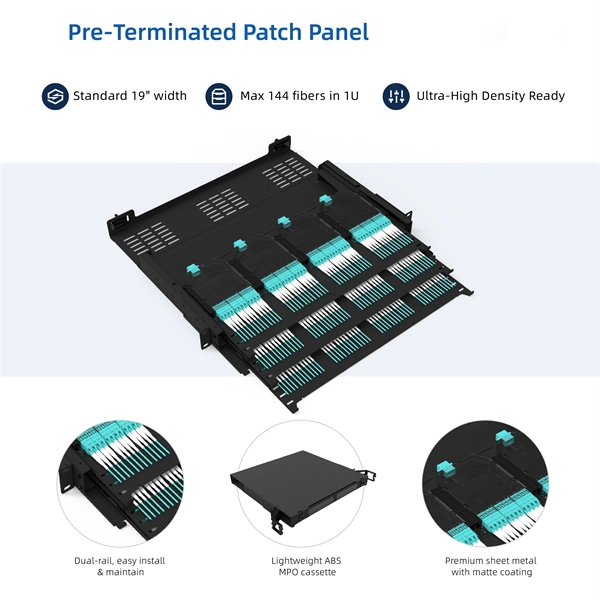
High Density Junction Box Rack-Mounted 144 Ports LC
AI overview of item Disclaimer: This content is generated by AI and does not represent the merchants opinion. The platform and merchants assume no related legal liability. LC Splitter: Compatible with
101 Guidelines for Fiber Termination Box
As the demand for increased network speed is rising across the globe, fiber optic network has gained worldwide acceptance in high-bandwidth applications (especially in mission-critical
FLX Series Fiber Optic Connectors – Rugged,
FLX Series fiber connectors are rugged, waterproof, and offer quick, tool-free termination. Ideal for FTTH, data center, military, and industrial networks.
Fiber Optic Cabling Installation In St. Paul And Minneapolis: Costs
Real numbers for fiber optic cabling installation in St. Paul MN and the Minneapolis metro, with per-drop, per-foot, and full-project ranges for small and mid-size builds.
SEL-2730M Managed 24-Port Ethernet Switch | Schweitzer
The SEL-2730M is a managed 24-port layer-2 switch. Apply the switch to build reliable, safe Ethernet networks in electrical substations, plants, and other mission-critical sites.
What Is the Optical Audio Port, and When Should I Use It?
The optical audio port, also known as TOSLINK, can be useful for connecting older sound systems or linking devices like soundbars to TVs.
What is SFP Port? Everything You Need to Know
What is an SFP port? The SFP port also refers to a Small Form-factor Pluggable port. It is a compact mechanical slot that accepts an SFP
Ethernet Switch Port Types Explained 2026: RJ45,
Ethernet Switch Port Types Overview Why Switch Port Types Matter in Modern Networks Unlike early-generation networks where everything ran on
Durable FTTH Terminal Box | Fiber Termination Enclosure for Safe
FTTH Termination Box available for the distribution and terminal connection for various kinds of optical fiber system, Some are used for indoor cabling and others are designed to install on outdoor pole or
MTP/MPO Trunk Cables vs. Breakout Cables
MTP/MPO Breakout cables (sometimes called fanout cables) are different than trunk cables in that they use MTP/MPO connectors on one end and duplex connectors (e.g., LC, SN,
Related Video Reference
This video was associated with the source search result. Verify technical details against current product documentation and project requirements.
This reference is intended for preliminary fiber and communications infrastructure research. Optical interface, fiber type, port or core capacity, electrical input and output, enclosure protection, cooling, installation limits and applicable standards must be verified for the specific project.